Our Signature Awareness Campaign
One Yes Can Save Eight Lives.
Maiya waited for a heart. The campaign that carries her name continues her legacy — confronting myths, closing the representation gap, and inviting one more yes.
Why this campaign exists
Maiya's story is at the center.
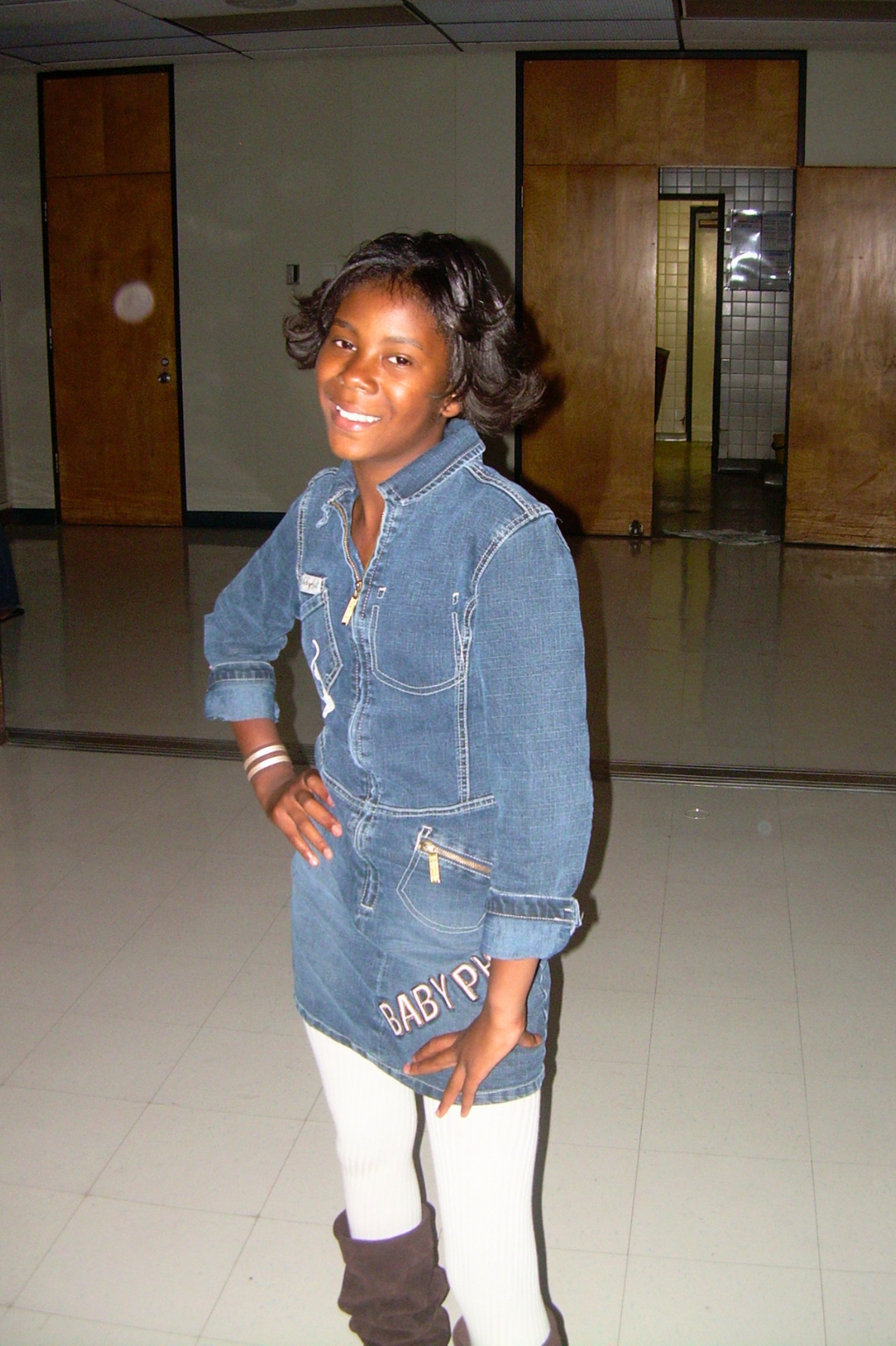
Maiya Cunningham was born with congenital heart disease and spent years defying medical expectations. She passed away in 2008 while awaiting a heart transplant. The transplant that could have changed her story never came in time.
One Yes Can Save Eight Lives is the awareness arm of Maiya's Heart Project. It exists so that another family's wait can end differently.
The math of one yes
What a single donor can do.
Myths & Facts
The conversation gets stuck on these.
Most people who hesitate about donor registration aren't against donation — they're working through a story they heard somewhere. Here's what's actually true.
Myth
Doctors won't try as hard to save me if I'm a donor.
Fact
Your medical team's only job is to save your life. Donation is only considered after every life-saving effort has been exhausted and death has been declared.
Myth
My religion doesn't support organ donation.
Fact
All major faith traditions — Christianity, Islam, Judaism, Hinduism, Buddhism — view donation as an act of love and generosity. Your pastor, imam, or rabbi can speak to this directly.
Myth
I'm too old, too sick, or have the wrong background to donate.
Fact
There is no age limit. Most medical conditions don't disqualify you. The transplant team evaluates each potential donor individually.
Myth
Rich and famous people get organs first.
Fact
The national matching system is blind to wealth and status. Matches are based on medical urgency, blood type, body size, and geography.
Myth
My family will be charged for donation.
Fact
Donor families never pay anything related to donation. The recipient's insurance covers all donation-related costs.
Myth
Donation will disfigure my body.
Fact
Donation is performed with the same care as any surgery. Open-casket services are still possible.
Why registration matters
Especially for Black and Brown families.
More than half of people on the U.S. transplant waitlist are people of color. But because too few donors look like them, Black and Brown patients wait longer and die waiting more often. Closer matches happen more frequently within shared ancestry — which is why representation in the donor registry is a matter of equity, not just generosity.
That's where Maiya's Heart Project shows up: in churches, on HBCU campuses, at community walks, and in family kitchens — bringing the conversation to the people who have been left out of it.
How one yes ripples
One decision. Many families changed.
- · A heart for a child like Maiya.
- · Two kidneys for adults whose lives revolve around dialysis.
- · A liver for someone whose family was preparing to say goodbye.
- · Lungs, a pancreas, intestines — each match a story.
- · Tissue and corneas that heal burn survivors and restore sight.
- · A donor family who carries forward a legacy of love.
Community awareness initiatives
How we carry this campaign.
Candlelight Walk for Hope & Healing
August — National Minority Donor Awareness Month.
Hope in Motion 5K & Family Walk
April — National Donate Life Month.
Maiya's Legacy Celebration
July — School Supply Giveaway & community picnic.
Hearts of Hope Gala
October — Congenital Heart Defect Awareness Month.
Storytelling features
Donor families and recipients, told with dignity.
Registration drives
Churches, schools, HBCUs, community events.